Teams ↔ OpenSIPS SBC
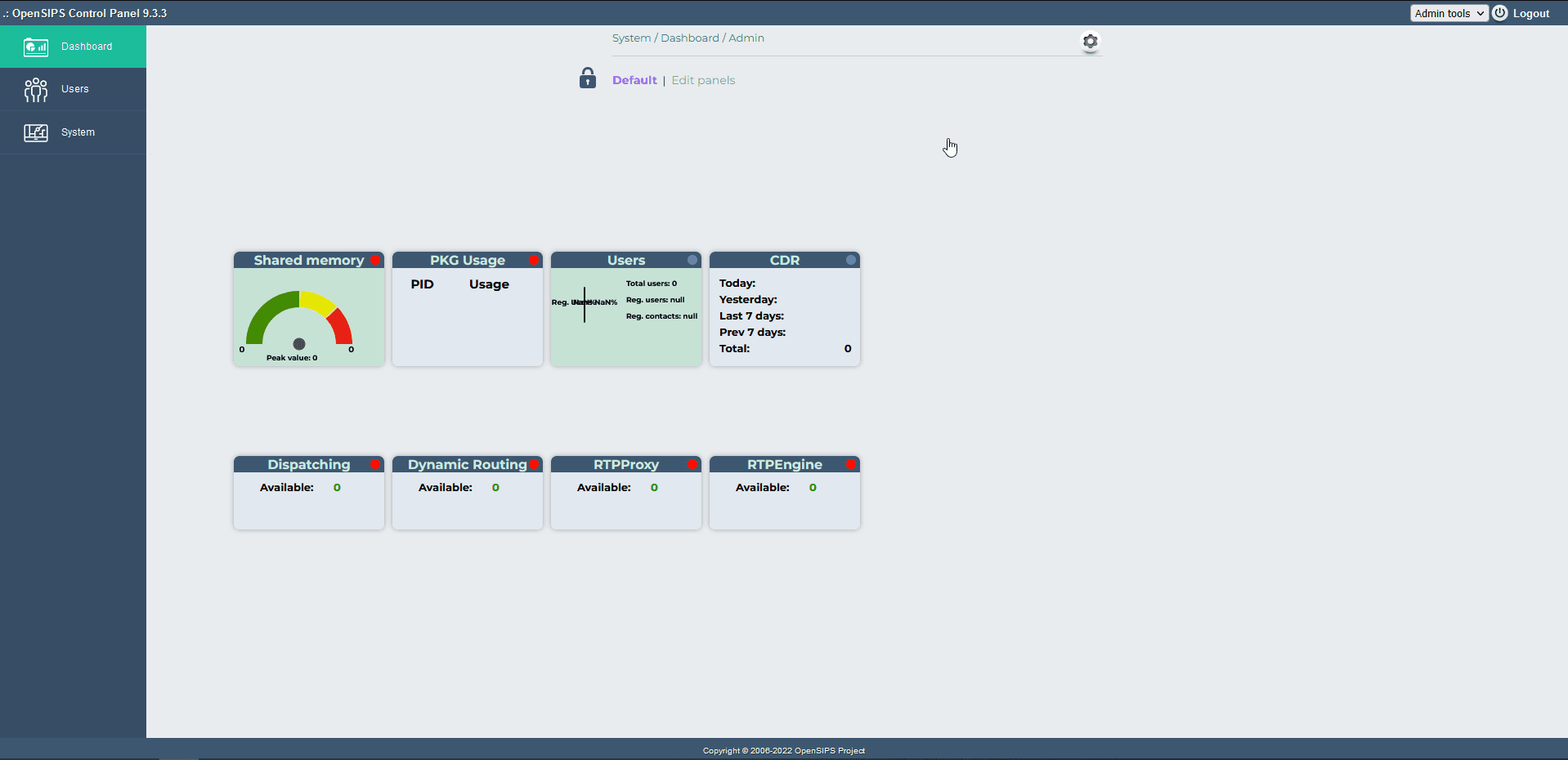
The problem
Guidepoint wanted to move calling into Microsoft Teams without giving up the carrier trunks and on-prem numbers the business already depended on. Teams Direct Routing needs a certified SBC in between, and the off-the-shelf appliances quoted for it were priced for a much bigger deployment than we needed.
What I built
I built the border control layer on OpenSIPS instead of a commercial box: TLS/SRTP termination toward Teams on one side, plain SIP toward the carrier trunks on the other, with RTPProxy handling media relay so neither side ever saw the other's transport directly. Routing logic, number normalisation and failover between trunks lived in OpenSIPS's own config language, which meant every quirk of the carrier's dial plan got fixed in one place instead of patched around in Teams.
Where it landed
The SBC ran in production handling day-to-day call traffic for the org, cost a fraction of a commercial equivalent, and gave us full visibility into every leg of a call when something needed debugging — something a closed appliance would never have offered.